
 Ninchanese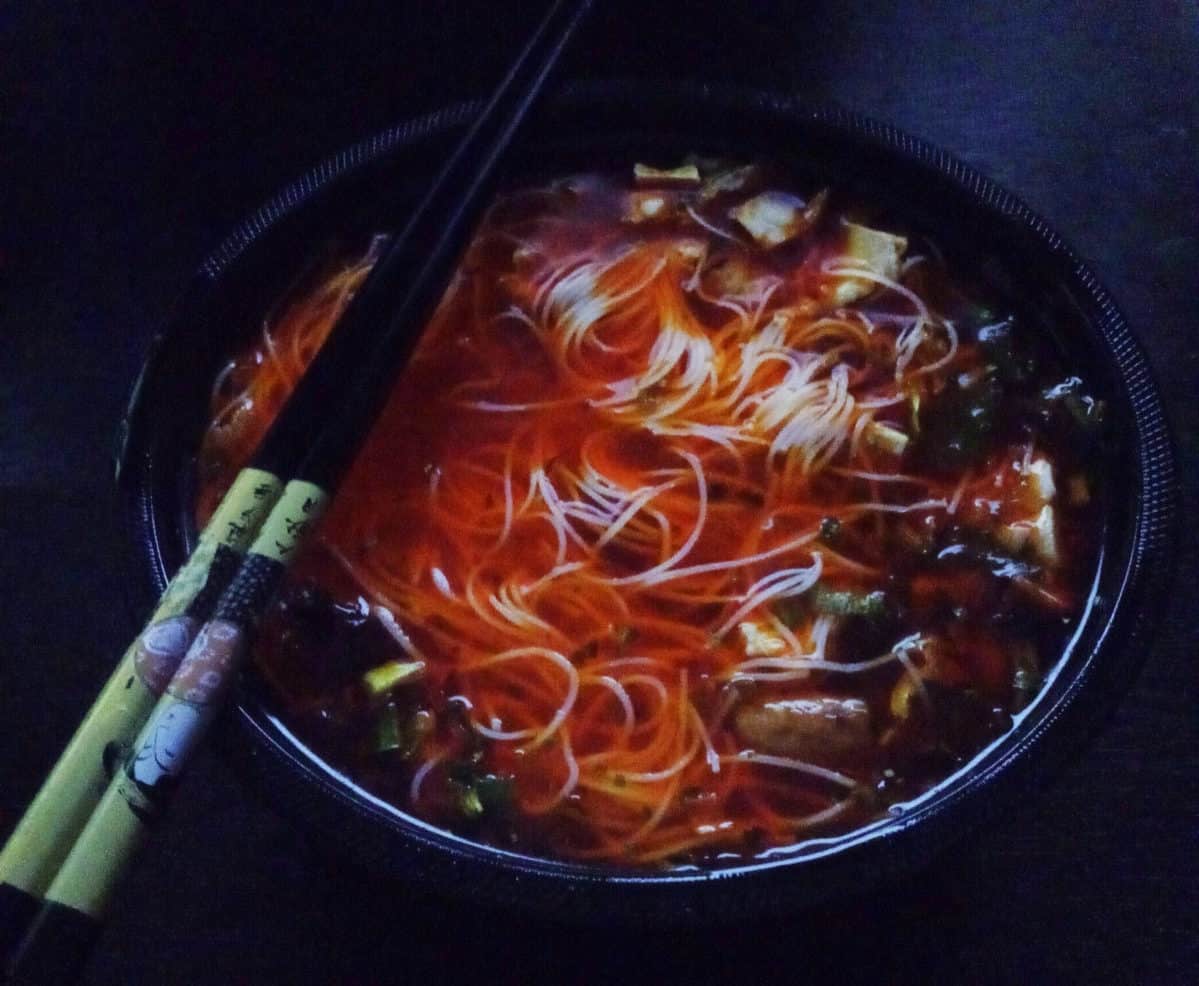
The Chinese food and kitchen are very varied: there are in fact so many uncountable dishes that it would take a lifetime for you to try them all out! Learn the many ways of cooking and spicing up your Chinese meal you need to know about in this Chinese food course on Ninchanese.

As you progress in your exploration of Chinese cooking, you’ll certainly want to tempt your stomach with new Chinese dishes and tastes. What better way to learn more about this topic than in Chinese, the language you’re learning? Chinese Food is a perfect topic to explore deeper in Chinese: the knowledge you’re learning will prove directly useful to you. (We’re not responsible for the extra pounds you may put on scarfing down new Chinese dishes:)
Read on to learn more about Chinese cooking, from its 8 key styles to the spices you definitely want to stock your pantry with! Once you’re done reading, guess what? You can learn all this yummy new lingo, little by little, in our new course on Ninchanese: Chinese Food. It’s right here!
When you can’t go out and have to cook at home, it’s always fun to add some exotic dishes. And let’s imagine you want to do some tasty Chinese home-cooking? What if you wish to experiment with a variety of Chinese ingredients and want to talk about them? And what happens if you need to buy spices, herbs, or other things to spice up your meal but don’t know how to express yourself? That’s what this article is about.
Or imagine another situation. You are standing in a Chinese supermarket (or just a market) and want to buy some specific ingredients. Wouldn’t it be quite a struggle when you don’t know the right words to describe these ingredients in Chinese? It could be anything from just not being a fan of a specific ingredient to being allergic to a spice.
The 4 Tastes and 8 big Kitchens
Let’s first start with a quick overview of the common big 8 Chinese culinary traditions in Chinese. If you’ve started exploring Chinese food and cooking, and by this, we mean real Chinese cuisine, not the stuff they try to pass on as Chinese food in Chinese “buffets”, you’ll quickly notice that there are different types of cooking in China.
Chinese cooking is divided into 8 big Kitchens, or schools, which were each named after the region they were developed in (e.g. 山东菜 – Shāndōng cài – Shandong cuisine). These styles were defined by the provinces in China and what each area could provide in terms of food. These schools also relate to each region’s history and economics. All these factors came together over time and refined the taste of the people and what they prefer for Chinese food. Of course, it doesn’t mean that you cannot get other food or only get this specific taste.
If you are into Chinese food, you may think the best are the Chinese street food, right? So in this article, we’ve made, we ranked the best Chinese street food.
Chinese cooking is also all about the Four Tastes: Salty, Sour, Sweet, and Spicy. As you’ll see, the 8 big Kitchens of cooking in China all revolve around these Four tastes. Also, Chinese dishes tend to be named very indescriptive, so sometimes, it‘s not quite clear what the ingredients are (e.g. 蚂蚁上树 – mǎyǐshàngshù – Ants climbing a tree ). Like so:
| Area | Taste | Province | Specialty |
| 北方 North | Salty | 山东Shandong | Seafood, harmonic but also complex flavors (e.g. Vinegar-Prawns – 醋烹大虾 – Cù pēng dà xiā) |
| 东方 East | Sour | 江苏 Jiangsu | Fresh taste, not too salty or sweet, influence from northern Seafood (e.g. Lionhead-Meatballs – 清汤狮子头 – Qīngtāng shīzi tóu) |
| 安徽 Anhui | Local ingredients from nearby mountains, very strict control of heat and cooking time (e.g. Chop Suey – 李鸿章杂碎 – Lǐhóngzhāng zásuì) | ||
| 浙江 Zhejiang | Very fresh and smooth Chinese food with mild aromas, the origin of rice wine (e.g. DongPo Porkbelly – 东坡肉 – Dōng pō ròu) | ||
| 南方 South | Sweet | 福建 Fujian | Ingredients from the Mountains and Seafood (e.g. Fuzhou Lychee Meatballs – 福州荔枝肉 – Fúzhōu lìzhī ròu) |
| 广东 Guangdong | Dim Sum, mild and fresh Chinese food (e.g. Sweet Pork shoulder – 蜜汁叉烧 – Mì zhī chāshāo) | ||
| 西方 West | Spicy | 湖南 Hunan | Even spicier than Sichuan food with more variety in ingredients (e.g. Chilli Fishhead – 剁椒鱼头 – Duò jiāo yú tóu) |
| 四川 Sichuan | spicy Chinese food based on chili and garlic, also known for the numbing Sichuan pepper (e.g. Mapo Tofu – 麻婆豆腐 – Má pó dòufu) |
Map of the 8 Chinese kitchen

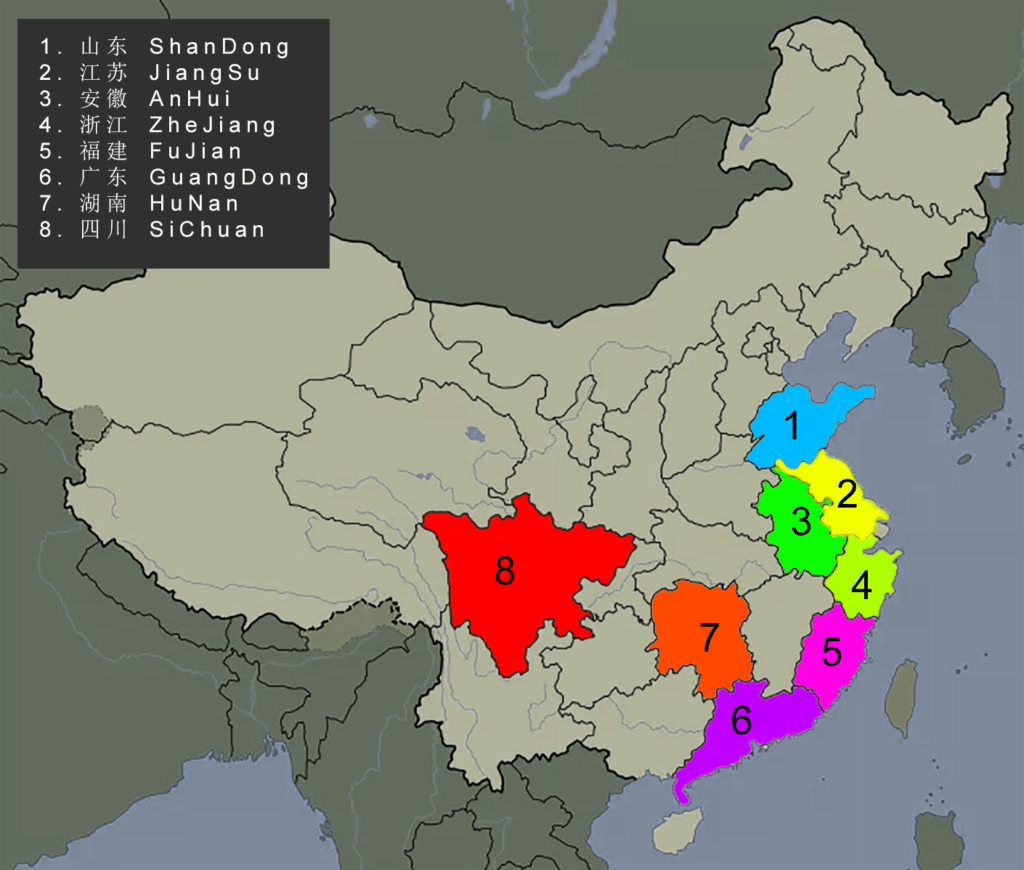
This actually is the most common definition of the kitchens (and I would say more traditional). Of course, these 8 styles don’t cover all of China, so you may also find different maps which cover the whole of China and do a more detailed subdivision, possibly putting what I’m pointing out as the Southern kitchen, somewhere else. All that matters is that your stomach knows there are 8 different cooking styles in China to look forward to, and understands the differences between them!
The manifold ways of preparing Chinese food

The Chinese have a lot of different ways of preparing Chinese food and it’s good to know these techniques. True, when talking about preparing Chinese food, the most common thing to say it, whether in Chinese or in English, to make food rather than cook food ( 作饭 – ). So, why would you want to learn the words for them? The answer is simple, and it’ll make your tummy happy: a lot of Chinese dish names indicate the way the dish was prepared. So by learning how to say some of the most common cooking techniques, you’ll know a little more about what to expect when ordering Chinese food. Perfect for when you’re in the mood for a nice steamed bun (包子), or some 烤鸭 (kǎo yā – roast duck)!
As we saw, these are 8 major Cooking Styles (Kitchens) in China. So, depending on the region you’re in, you might see specific techniques all around you and others only quite rarely. Out of experience, I can say that I see 红烧 (Braised in Soy sauce), 炒 (Chǎo – stir fry), and 炸 (Zhà) very frequently. It could also be that I’m not quite yet used to recognizing the other cooking-techniques immediately.
Bonus-tip: Look for the fire component under ( 灬 ) or left ( 火 ) of a character to understand that it may is related to a cooking-technique. If you are not yet familiar with radicals and components, it’s an excellent opportunity to start with the Radical Component World in the Ninchanese App.
| Translation | Hanzi | Pinyin | Description | Examples (not necessarily typical Chinese food dishes) |
| Bake/Roast/ toast/broil | 烤 | Kǎo | Baking something with high heat | 烤鸭 – Kǎoyā – roasted duck 烤鱼 – kǎo yú – baked fish 烤薯條 – Kǎo shǔ tiáo – Baked French fries |
| Wrap / pack | 包 | Bāo | Wrap in something (dough, leaves, rice paper…) | 包饺子 – Bāo Jiǎozi – make/wrap Dumplings 包粽子 – Bāo zòngzi – make zongzi (Glutinous rice wrapped in bamboo leaves) |
| Steam | 蒸 | Zhēng | Regular steaming | 粉蒸牛肉 – Fěn zhēng niúròu – Steamed Beef (covered in flour/whitewashed) |
| Stir-fry / saute | 炒 | Chǎo | Shortly cooked in a pan | 西红柿炒鸡蛋 – Xīhóngshì chǎo jīdàn – Tomato scrambled eggs 炒茄子 – chǎo qiézi – fried eggplant 炒酸菜 – chǎo suāncài – fried sour vegetables |
| Fry | 炸 | Zhà Zhá | Just frying in oil | 炸酱 – Zhá jiàng – deep-fried soy paste 炸糕 – Zhà gāo – fried rice dough cake 炸鱼 – Zhà yú – fried fish |
| Red braised | 红烧 | Hóng shāo | Braised in Soy sauce / simmer-fried | 红烧茄子 – Hóngshāo qiézi – braised eggplant 红烧牛肉 – Hóngshāo niúròu – braised beef 红烧豆腐 – Hóngshāo dòufu – braised tofu 红烧排骨 – Hóngshāo páigǔ – braised ribs |
| Slow Cooking/ simmer | 煨 | Wēi | Cook over a slow fire | 番茄煨蛋 – Fānqié wēi dàn – Tomato simmered eggs 蔥開煨麵 – cōng kāi wēi miàn – Scallion noodles |
| Bake or steam | 焗 | Jù | Steam/bake food in a sealed container/cooking salt or sand inside a sealed pot | 焗咸鱼 Jú xián yú – Baked salted fish
盐焗鸡 Yán jú jī – Salt baked chicken
|
| Blanch/quick-boil | 汆 | Cuān | Boil for a short time | 汆丸子 Cuān wánzi – quick-boiled Chinese food balls
汆羊肉 cuān yángròu – quick-boiled mutton
|
| Braise/cook | 烩 | Huì | Cook in soy and vinegar | – |
| Broil/burn | 灼 | Zhuó | Scalded in boiling water | – |
| Cook | 煲 | Bāo | Cook slowly over a low flame (also means pot, but still resembles the way of preparation) | 鮮蚵白玉煲 – Xiān hé báiyù bāo – Fresh oyster tofu “pot” |
| Honey juice/sauce | 蜜汁 | Mì zhī | Covered in honey | 蜜汁雞翅 – Mì zhī jīchì – Honey sauce chicken wings
蜜汁雞腿肉包 – Mì zhī jītuǐ ròu bāo – Honey sauce chicken thigh meat bun
|
| Jelly / Aspic | 冻 | Dòng | Put food in aspic or jelly | 鱼冻 – Yú dòng – fish jelly 肉冻 – ròu dòng – (meat) aspic |
| Lightly fry | 煎炒 | Jiān chǎo | Just frying for a short time | 煎炒豆腐 – Jiān chǎo dòufu – Fried tofu
|
| Marinade | 腌泡醃泡 | Yān pào | Marinate the Chinese food | 醃泡酸姜 – Yān pào suān jiāng – marinated sour ginger |
| Mix | 拌 | Bàn | Mix something in | 花椒拌麵 – Huājiāo bàn miàn – Peppercorn (mixed with) noodles 木耳拌豆皮 – Mù’ěr bàn dòu pí – Muer mushrooms (mixed with) tofu skin |
| Preserve | 腌 | Yān | Preservation in salt/sugar/vinegar etc. | 腌肉 – yān ròu – preserved meat 腌腊 – yān là – treat fish/meat with salt and air or smoke-dried 腌造 – yān zào – dip or process fish/vegetable/fruit with salt/sauce 腌菜 – yān cài- pickled vegetables |
| Roll Cutting | 滚刀 | Gǔn dāo | Cutting vegetable diagonally and rotating it after every cut | – |
| Smoking | 熏 | Xūn | Treat Chinese food with smoke | 塔香熏鸡 – Tǎ xiāng xūn jī – “Taxiang” smoked chicken 熏香面 – Xūn xiāng miàn – smoked noodles |
| Soak | 浸渍 | Jìn zì | Soak in a liquid (brew, soup, juice, etc.) | – |
| Stew / Double Steaming | 隔水炖 | Gé shuǐ
| Steaming in a water-sealed container | – |
| Stew | 不隔水炖 | Bù gé
| Steaming in an open/non-wate- sealed container | 营养炖蛋花 – Yíng yǎng dùn dàn huā – nutritional egg stew |
| Turn in oil | 走油 | Zǒu yóu | Put in oil and turned regularly | 上海走油肉 – Shànghǎi zǒu yóu ròu – Shanghai “oily meat” |
You see, it can be quite helpful when looking at a Chinese menu (it’s common that they don’t include pictures) to know these cooking techniques and to use them to decrypt dishes’ names!
Spice up your meal
Alright, so let’s continue with the essentials of a meal: spices, herbs, oils, and sauces. Without these, a meal can be pretty bland, and personally, I prefer a good combination of spices and intense flavors but it can still be a struggle to name something else than just salt and pepper (maybe chili) without taking a look in the dictionary first.
The average joe just recognizes something because of experience, so in a supermarket, it mostly went like this. “I know this because I used it before or because I know it from my hometown, but I don’t know how to call it in Chinese.” And the version for the more adventurous people: That looks interesting; I’ll just buy and try it, without knowing what it exactly is or how it’s called. (Assumed not looking in the dictionary first).
Spices 香辛料 (Xiāngxīnliào)

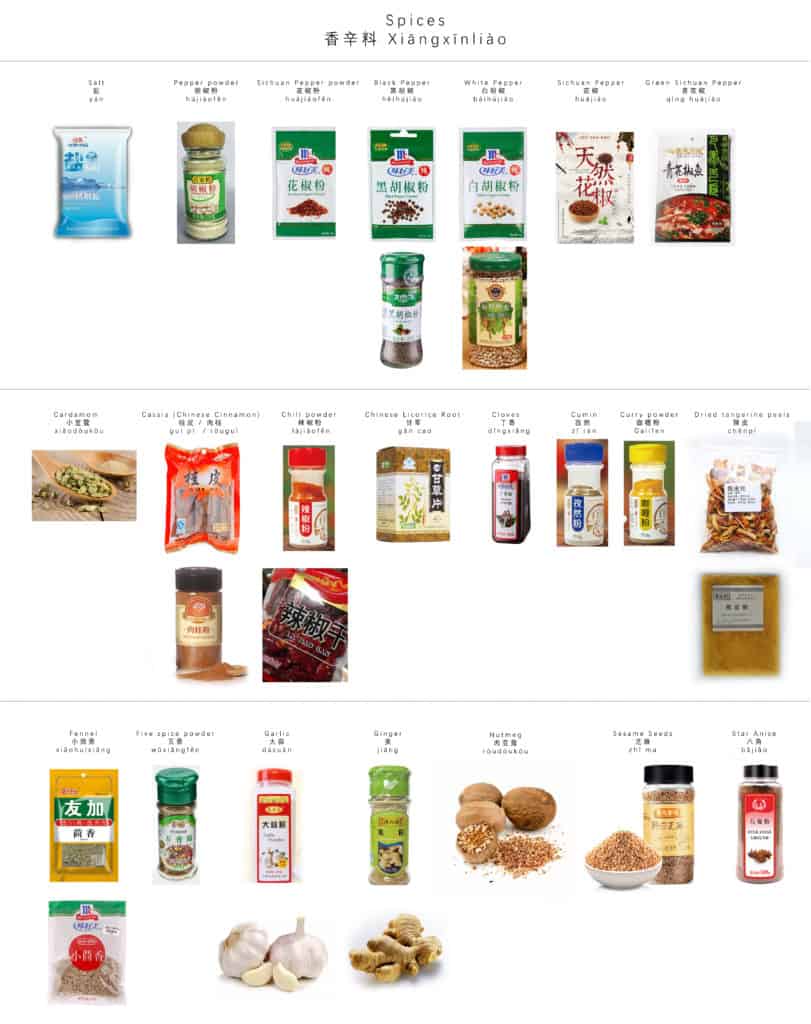
| English | Character | Pinyin |
| Salt | 盐 | yán |
| Pepper powder | 胡椒粉 | hújiāofěn |
| Sichuan Pepper powder | 花椒粉 | huājiāofěn |
| Black Pepper(corn) | 黑胡椒 | hēihújiāo |
| White Pepper(corn) | 白胡椒 | báihújiāo |
| Sichuan Pepper(corn) | 花椒 | huājiāo |
| Red Sichuan Pepper(corn) | 红花椒 | hóng huājiāo |
| Green Sichuan Pepper(corn) | 青花椒 | qīng huājiāo |
| Cardamom | 小荳蔻 | xiǎodòukòu |
| Black Cardamom | 黑豆蔻 | hēi dòukòu |
| Cassia (Chinese Cinnamon) | 桂皮 / 肉桂 | guì pí / ròuguì |
| Chili | 辣椒 | làjiāo |
| Chili powder | 辣椒粉 | làjiāofěn |
| Chinese Licorice Root | 甘草 | gān cao |
| Cloves | 丁香 | dīngxiāng |
| Cumin | 孜然 | zī rán |
| Curry powder | 咖喱粉 | Galifen |
| Dried fruit/tangerine peels | 果皮 /陳皮 | guǒpí / chénpí |
| Fennel | 小茴香 | xiǎohuíxiāng |
| Fennel Seeds | 茴香籽 | huí xiāng zǐ |
| Five spice powder | 五香粉 | wǔxiāngfěn |
| Garlic | 大蒜 | dàsuàn |
| Ginger | 姜 | jiāng |
| Ginger powder | 姜粉 | jiāng fěn |
| Nutmeg | 肉荳蔻 | ròudòukòu |
| Sesame Seeds | 芝麻 | zhī ma |
| Star Anise | 八角 | bājiǎo |
Herbs 香草 (Xiāngcǎo)

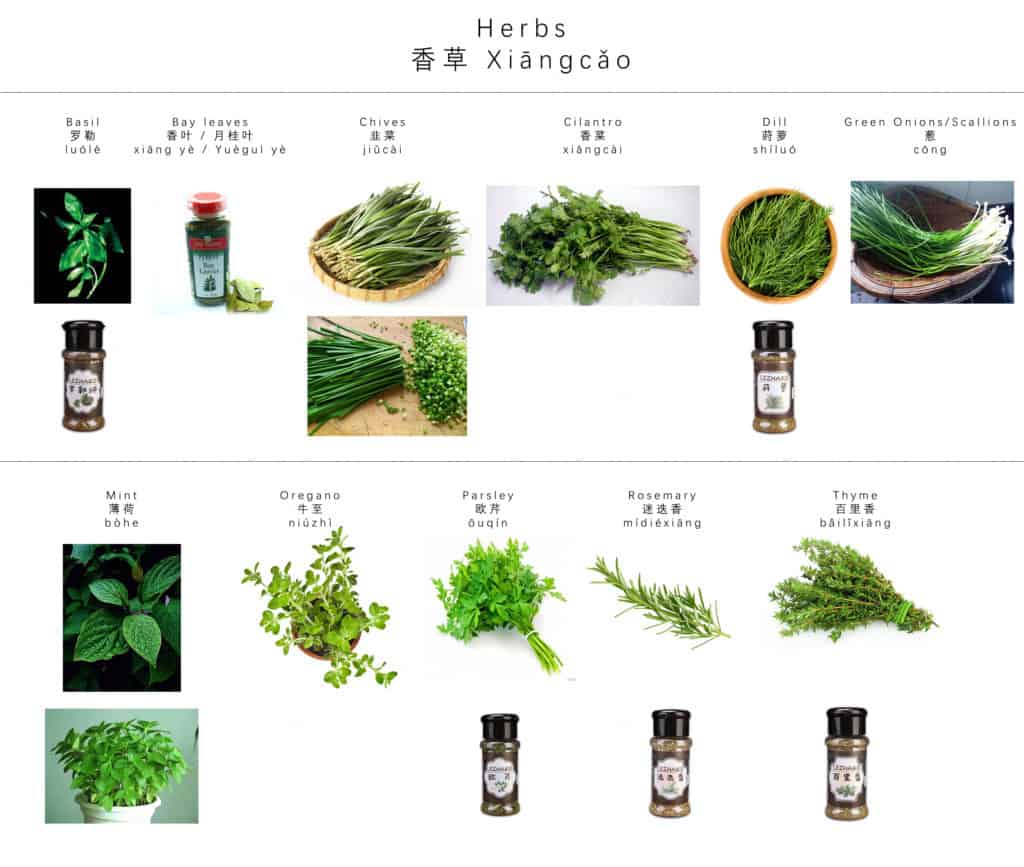
| Basil | 罗勒 | luólè |
| Bay leaves | 香叶 / 月桂叶 | xiāng yè / Yuèguì yè |
| Chives | 韭菜 | jiǔcài |
| Cilantro | 香菜 | xiāngcài |
| Dill | 莳萝 | shíluó |
| Green Onions, Scallions | 葱 | cōng |
| Marjoram | 墨角兰 | mòjiǎolán |
| Mint | 薄荷 | bòhe |
| Oregano | 牛至 | niúzhì |
| Parsley | 欧芹 | ōuqín |
| Rosemary | 迷迭香 | mídiéxiāng |
| Thyme | 百里香 | bǎilǐxiāng |
Sauces & Oils 调料 和 油 (Tiáoliào hé yóu)

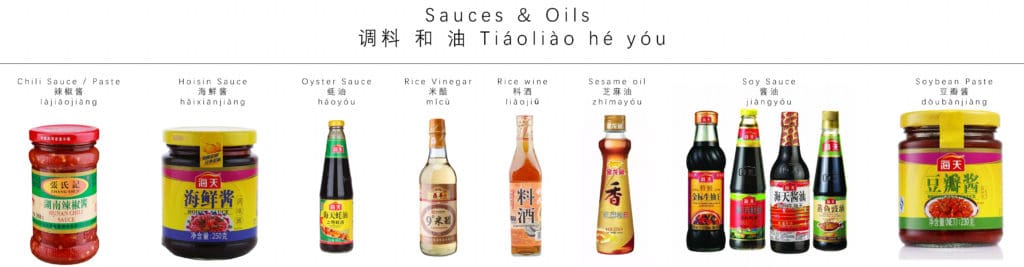
| Chili Sauce / Paste | 辣椒酱 | làjiāojiàng |
| Hoisin Sauce | 海鲜酱 | hǎixiānjiàng |
| Oyster Sauce | 蚝油 | háoyóu |
| Rice Vinegar | 米醋 | mǐcù |
| Rice wine | 料酒 | liàojiŭ |
| Sesame oil | 芝麻油 | zhīmayóu |
| Soy Sauce | 酱油 | jiàngyóu |
| Soybean Paste | 豆瓣酱 | dòubànjiàng |
The attentive reader would have figured out some basic structures here: If it’s a powder, just add a 粉 (fěn), for an oil a 油 (yóu) or if it’s a thick (soybean) sauce a 酱 (jiàng). Also, the word to add for grains is 粒 ( lì ) (and it’s also the classifier for those tiny grain/pill/pea-sized things). Still, in the case of the peppers, it’s not necessary to mention it, since that is the base form of them and don’t confuse it with seeds. These are called 籽 ( zǐ ).
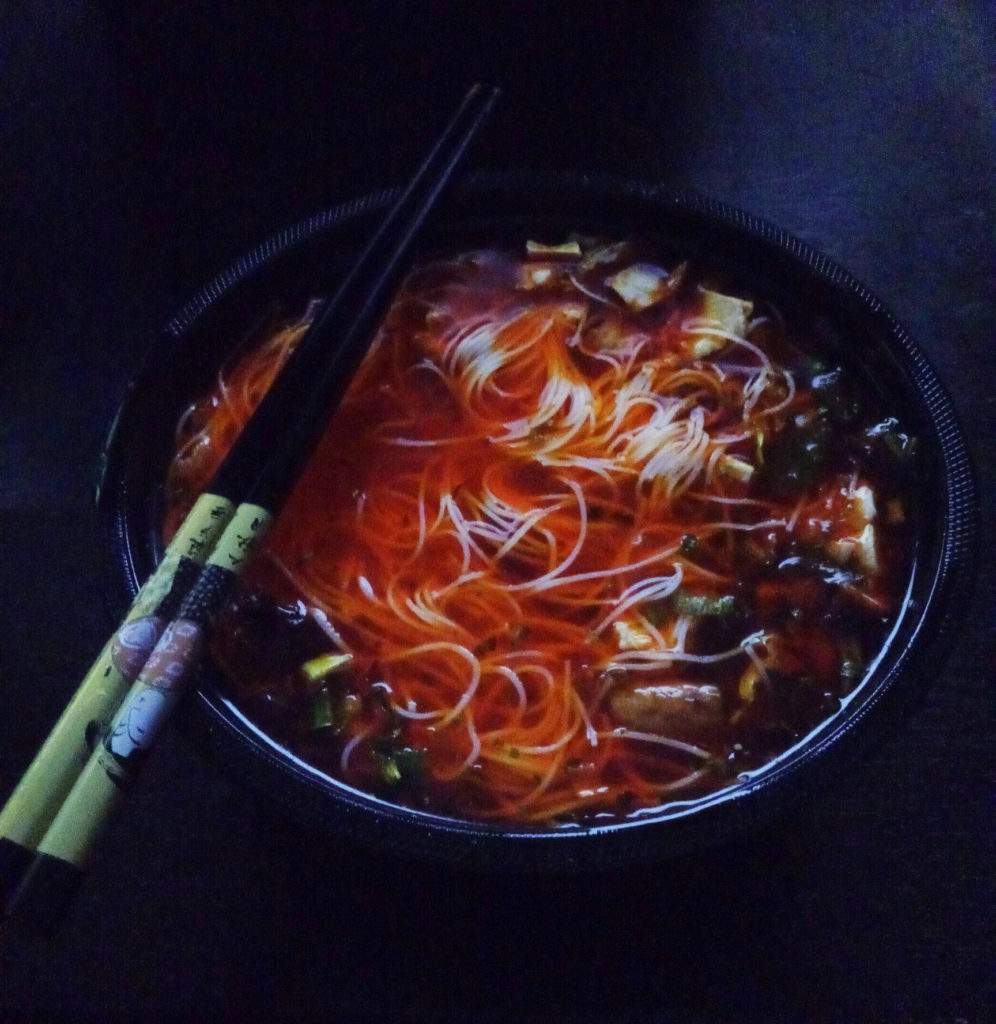
It’s quite a big list, but no worries, just learn the things you want to know and use in your daily life. In my kitchen, I usually have the basic Soy Sauce, Rice vinegar, and 5-6 different spices from the list above, which is quite enough to make things more interesting. Adding a bit of this and that can even raise instant noodles to a king’s meal in case you are down for a quick snack and too lazy to heat up the kitchen. As you can see in this picture below 🙂
My personal experience
I once wanted to buy some ingredients to bake bread, but I neither learned the words in my regular Chinese classes nor learned them before somewhere else. What I wanted to buy was the pretty basic bread-ingredients: flour (面粉 – Miànfěn ), yeast (酵母 – jiàomǔ) and some olive-oil (橄榄油 – gǎnlǎn yóu). So I went to an employee in the supermarket and asked where I can find the oil since I couldn’t find it in the oil-section of the supermarket. The reaction was very typical: Confused look (due to perhaps, wrong pronunciation), then leading me to the shelf with the imported foreign noodle-sauces. After involving 2 more employees in that whole situation, they finally figured out what I wanted after I showed it to them in the dictionary. They eventually lead me the way to the shelf with the olive-oil (which is not that common and therefore quite pricey). Finding the yeast and flour was thank god not very complicated, only getting the right type of flour was. But that’s a topic for a future article about Chinese food. Stay tuned for that.
Final Words
There are loads more topics to cover in the Chinese food corner, especially about other regional cuisines in China, but you know have the basics covered and I’ve shared with you what you need to get around and know what to expect when you are going out for a meal or traveling China for a culinary adventure.
As a home-cook, what we’ve seen today should already enhance your ability to have a bit more knowledge when it comes to speaking about making Chinese food. Especially about improving the taste and not getting lost in the wide variety of ingredients. Of course, there are a lot more spices and herbs you can learn, but the focus in this article is more on the basics and what you actually can buy in a common (super-)market in China. If you really love Chinese food and want to make your own, then I can’t stress enough to our Chinese Food course on Ninchanese.
Image-Sources:
Spices: Pixabay Monicore, all other pictures and tables were taken or created by myself (Product images in tables: Baidu, background images in 做饭的办法-banner: Baidu)